Article: How to Care for 925 Sterling Silver: Keep Your Jewellery Shiny for Longer
How to Care for 925 Sterling Silver: Keep Your Jewellery Shiny for Longer
Silver jewellery has a funny habit.
One day, your favorite necklace is bright, polished and catching the light perfectly. A few weeks later, it looks darker, less shiny and somehow completely different.
Don't panic. Your silver isn't ruined.
If you've ever wondered why sterling silver turns dark, whether you can shower with silver jewellery, or how to clean a silver necklace at home, you're in the right place.
At Silver Wave Lab, we believe silver is made to be worn. But like anything you use regularly, your jewellery needs a little care to stay looking its best.
Here's everything you need to know about 925 sterling silver care, from preventing tarnish to cleaning and storing your favorite pieces.
Does 925 sterling silver naturally turn dark?
Yes and it's completely normal.
One of the biggest myths about sterling silver is that if it turns dark, it must be fake or poor quality. That's not true.
925 sterling silver can naturally tarnish over time.
Tarnishing is a chemical reaction that happens when the surface of silver reacts with substances in its surrounding environment. It can create a darker or slightly yellowish layer on the metal.
The good news? Tarnish doesn't mean your jewellery is damaged permanently.
With proper cleaning and care, you can remove the surface tarnish and bring much of the original shine back.
Why does silver turn black?
So, what's actually happening? Silver reacts with compounds in the environment, particularly those containing sulfur. These compounds can be found in the air and in everyday environments, causing the surface of the jewellery to gradually tarnish.
But your environment isn't the only factor.
Your jewellery is also in contact with your skin, cosmetics, sweat, moisture and other substances throughout the day. All of these can affect how quickly your silver tarnishes.
That's why two people can wear the same type of silver jewellery and notice completely different levels of tarnishing.
It's not about the quality of the silver, It's about what the jewellery is exposed to.
Does sweat make silver tarnish faster?
It can. Sweat contains a combination of water, salts and other compounds, and prolonged exposure can contribute to changes in the appearance of silver.
This doesn't mean you need to stop wearing your favorite silver necklace every time you leave the house.
But if you've just finished an intense workout, it's a good idea to remove your jewellery, rinse or gently wipe it when appropriate, and let it dry before storing it.
How to prevent sterling silver from tarnishing
You can't completely stop silver from tarnishing forever — and that's simply part of owning a natural metal.
But you can slow the process down considerably.
A few simple habits can make a big difference:
-
Keep silver away from harsh chemicals
-
Remove jewellery before swimming
-
Avoid wearing it in the shower
-
Take it off before exercising
-
Keep it away from perfumes and cosmetics
-
Dry jewellery properly if it gets wet
-
Store it somewhere dry and protected
-
Clean it regularly
Think of it less as a strict list of rules and more as giving your jewellery a better environment to live in.
Can You Wear Silver Jewellery in the Shower?
Technically, your silver necklace isn't going to disappear because it got wet.
But if you want to keep your sterling silver jewellery looking its best for longer, removing it before showering is a good habit.
Soap, shampoo, conditioner and other products can leave a film on the surface of the metal.
Repeated exposure to water and these products can also contribute to tarnishing and dullness.
So before getting into the shower:
Take the jewellery off. Your necklace will thank you.
What about swimming in the pool or sea?
This is another situation where we'd recommend removing your silver jewellery.
Swimming pools contain chlorine and other chemicals, while seawater contains salt and other minerals. Repeated exposure can affect the appearance of silver and may also cause buildup around more detailed pieces.
And there's another reason to take it off:
You don't want to lose it.
A necklace or ring that slips off in the ocean or disappears at the bottom of a swimming pool is much harder to recover than one sitting safely at home.
Can you wear silver jewellery at the gym?
You can, but it's not ideal. There are two main reasons.
First, sweat and moisture can contribute to tarnishing.
Second, the physical activity itself can damage your jewellery. Chains can catch on equipment, bracelets can scratch against surfaces and rings can become marked when you're lifting weights.
For a workout, we'd recommend leaving your favorite silver pieces somewhere safe.
Think of it as giving yourself — and your jewellery — a break.
What About Cleaning Products?
This is one of the biggest things to watch out for.
Household cleaning products can contain chemicals that are much harsher than anything your jewellery should be exposed to.
Before cleaning your home, washing dishes or handling strong cleaning products:
Take off your silver jewellery.
The same applies to certain beauty products.
Perfume, hairspray, creams, lotions and other cosmetics can build up on the surface of your jewellery.
A simple rule is:
Beauty products first. Jewellery second.
Give perfumes, creams and skincare products a moment to absorb or dry before putting your jewellery back on.
How Should You Store Sterling Silver Jewellery?
Proper storage is one of the easiest ways to slow tarnishing.
When you're not wearing your silver jewellery, keep it somewhere:
-
Dry
-
Cool
-
Away from direct sunlight
-
Protected from humidity
-
Away from other jewellery that could scratch it
Avoid leaving silver jewellery loose on a bathroom counter. Bathrooms are naturally humid environments, which isn't ideal for silver.
Instead, use a jewellery box, pouch or another enclosed storage solution.
Keep pieces separate
Silver can scratch, especially when different pieces are rubbing against each other.
Try to store necklaces individually or with enough space between them.
This is particularly important for pieces with polished surfaces or more delicate chains.
How to Clean 925 Sterling Silver at Home
Regular cleaning is one of the easiest ways to keep your jewellery looking fresh.
For everyday maintenance, start with the simplest option.
Step 1: Use a soft cloth
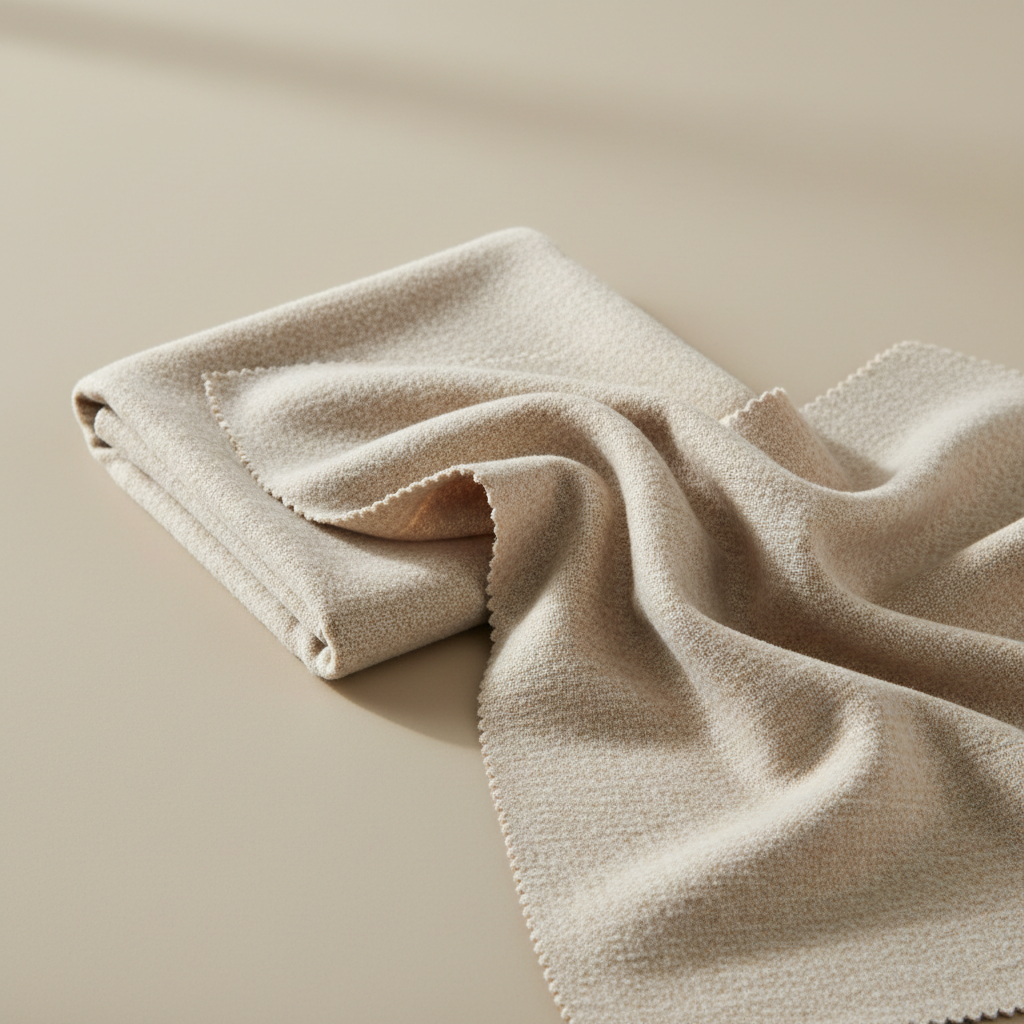
Gently wipe your jewellery with a clean, soft jewellery-polishing cloth.
This removes oils, fingerprints and everyday residue without being unnecessarily aggressive.
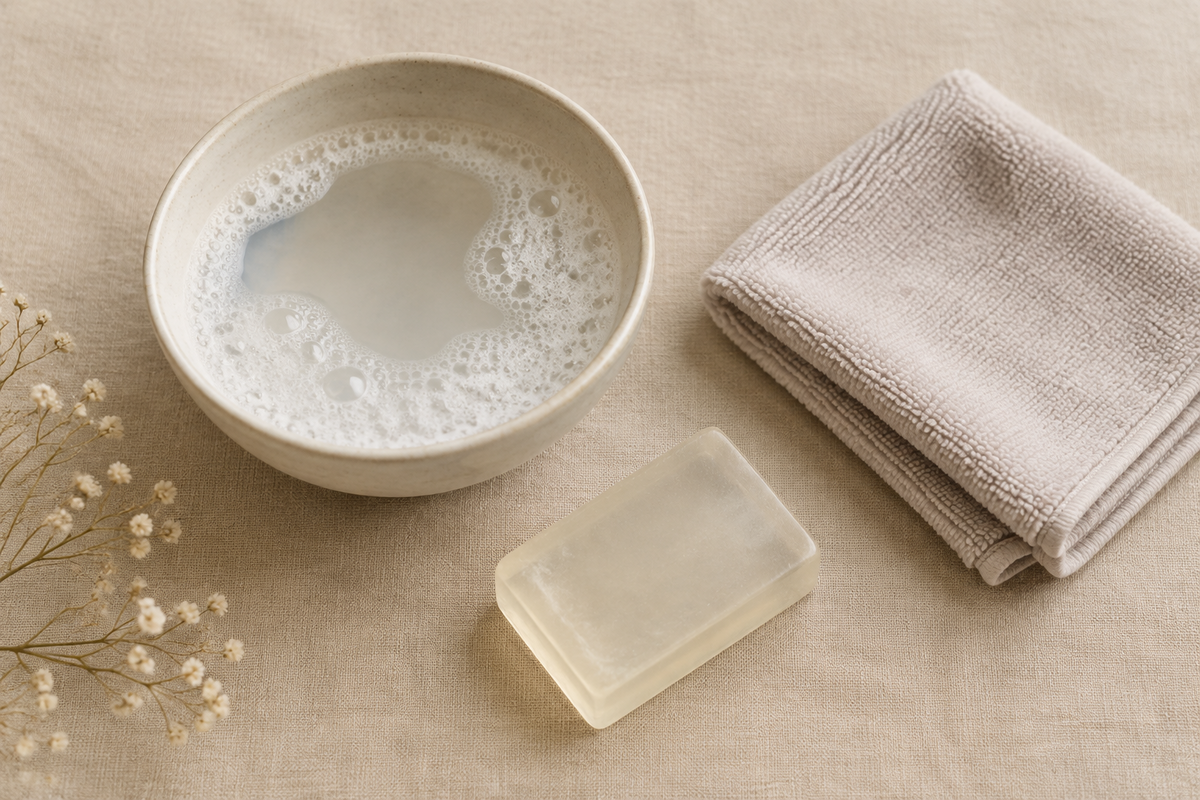
Step 2: For more buildup, use mild soap
If your jewellery has accumulated products such as creams, sweat or soap residue, you can gently clean it with lukewarm water and a small amount of mild soap.
Use a very soft brush for detailed areas, working gently rather than scrubbing aggressively.
Step 3: Rinse carefully
Make sure any soap residue is removed.
Step 4: Dry completely
This part is important.
Use a soft, lint-free cloth and make sure the jewellery is completely dry before storing it.
Never put damp silver jewellery straight into a closed jewellery box.
What About Heavily Tarnished Silver?
If your jewellery has developed significant tarnish, a simple wipe may not be enough.
A dedicated silver polishing cloth can help restore the surface shine.
For valuable, delicate or intricate pieces, professional cleaning may be the safest option.
And be careful with internet cleaning hacks.
You'll find countless DIY methods involving baking soda, toothpaste, aluminium foil, boiling water and other household ingredients.
Some may work in certain situations, but aggressive cleaning can also scratch surfaces, remove finishes or damage stones and delicate details.
When in doubt, go gentle.
How to Remove Scratches From Silver Jewellery
Tarnishing and scratching are two different things.
Tarnish affects the surface chemically and can often be cleaned or polished away.
A scratch is physical damage to the metal.
Very light surface marks may become less noticeable with professional polishing, but deeper scratches usually require more specialised treatment.
Avoid aggressively rubbing your jewellery at home in an attempt to remove scratches. You could end up creating even more marks.
For valuable or heavily scratched pieces, a professional jeweller is the safest choice.
Does Tarnished Silver Mean It's Bad Quality?
Absolutely not.
This is worth repeating because it's one of the most common misconceptions about silver jewellery.
Tarnishing is a natural characteristic of silver.
The fact that a piece becomes darker over time doesn't automatically tell you whether it is genuine, high quality or low quality.
925 sterling silver is designed to be durable enough for jewellery, but it still reacts with its environment.
In other words:
Silver changing over time is part of owning silver.
And that's not necessarily a bad thing.
Some people even love the slightly darker, lived-in character that silver develops with wear.
The Silver Wave Rule: Wear It, Then Care for It
We don't believe your jewellery should spend its life locked away in a box.
Wear your necklace.
Wear your bracelet.
Take it on holiday.
Style it with your favourite T-shirt.
Make it part of your everyday life.
Then, when you're finished wearing it, give it a little care.
Remove it before swimming or exercising. Keep it away from harsh chemicals. Store it somewhere dry. Give it a gentle clean when it needs one.
That's really all it takes.
Your Silver Doesn't Need to Stay Perfect
One of the best things about silver is that it changes.
A necklace that looks perfectly polished when you first receive it will naturally develop its own character as you wear it.
Tarnish can be cleaned.
Small marks are part of life.
And the pieces you wear often will inevitably become part of your story.
At Silver Wave Lab, we make 925 sterling silver jewellery for exactly that reason.
Not jewellery that sits untouched in a box.
Jewellery that lives with you.
Quick Sterling Silver Care Checklist
DO:
-
Store your jewellery somewhere dry
-
Clean it regularly with a soft cloth
-
Remove it before swimming
-
Remove it before exercising
-
Keep it away from harsh chemicals
-
Let it dry completely before storing
DON'T:
-
Leave silver jewellery in humid bathrooms
-
Wear it while using household cleaning products
-
Store pieces tangled together
-
Scrub silver aggressively
-
Use harsh DIY cleaning methods without knowing whether they're suitable for your piece
Take care of your silver, and it can stay part of your everyday rotation for years to come.
Wear it. Live in it. Let it become yours.